
As global demand for K-Beauty continues to grow, more brands are exploring opportunities to export their products to international markets. While product quality and branding are essential, export logistics often becomes one of the most challenging parts of the expansion process. Understanding what to expect—from documentation and packaging to shipping and customs clearance—can help brands avoid costly delays and compliance issues.
This article provides an overview of the key logistics considerations involved in exporting K-Beauty products and what brands should prepare for before entering global markets.
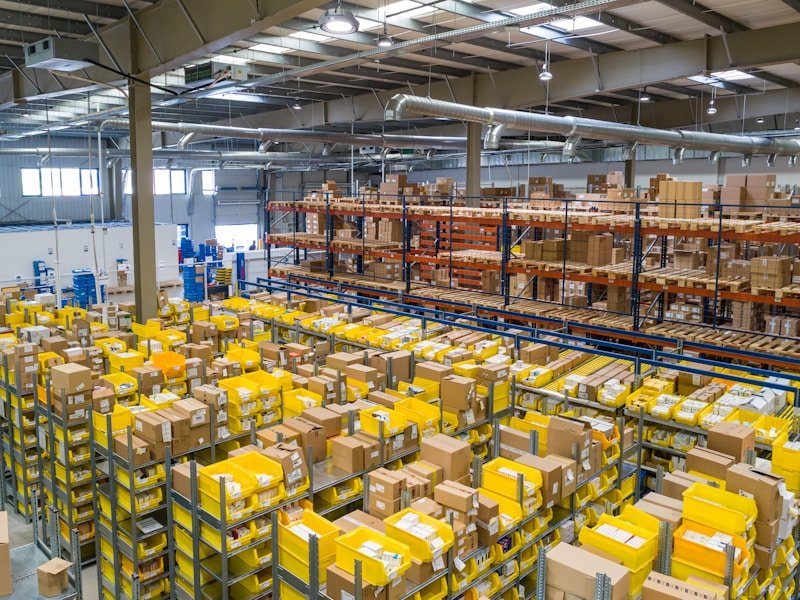
Understanding Export Logistics for K-Beauty
Export logistics refers to the entire process of moving cosmetic products from Korea to overseas destinations. This includes regulatory documentation, packaging standards, transportation methods, customs clearance, and coordination with freight forwarders.
For K-Beauty brands, logistics is especially complex because cosmetics are often categorized as regulated consumer goods. Many countries require specific documentation and compliance checks before allowing cosmetic products to enter their markets.
Key Documentation and Regulatory Requirements
One of the first steps in K-Beauty export logistics is preparing the required documents. While requirements vary by country, the most common documents include:
- Commercial Invoice
- Packing List
- Certificate of Origin
- Product Ingredient List
- Safety Data Sheet (SDS), if applicable
- Free Sale Certificate or equivalent
In some regions, such as the EU or Southeast Asia, cosmetic products may need prior product notification or registration before shipment. Failing to complete these steps in advance can result in shipment holds or rejections at customs.
Packaging and Labeling Considerations
Packaging plays a critical role in export logistics. In addition to protecting products during transportation, packaging must comply with local regulations.
Key considerations include:
- Proper sealing to prevent leakage during transit
- Durable outer cartons suitable for long-distance shipping
- Country-specific labeling requirements (language, ingredient listing, usage instructions, and warnings)
For many markets, labels must be translated into the local language and follow a specific format. It is recommended to verify labeling requirements before production to avoid relabeling costs later.
Choosing the Right Shipping Method
Selecting the appropriate shipping method depends on cost, delivery time, and product sensitivity.
Common shipping options include:
- Air Freight: Faster delivery, higher cost, suitable for small volumes or urgent shipments
- Sea Freight: Lower cost, longer transit time, ideal for bulk orders
- Courier Services: Convenient for samples or small test shipments
Cosmetic products with temperature sensitivity or liquid formulations may require additional packaging or controlled shipping conditions.
Customs Clearance and Import Procedures
Customs clearance is often where delays occur. Import authorities may inspect shipments to verify product compliance, labeling accuracy, and documentation completeness.
Common challenges include:
- Incomplete or inconsistent documents
- Misclassification of product HS codes
- Missing registrations or approvals
Working with an experienced customs broker or logistics partner can significantly reduce risks during this stage.
Working with Logistics and Compliance Partners
For brands new to exporting, partnering with professionals who specialize in cosmetic logistics can streamline the entire process. Logistics providers familiar with K-Beauty exports understand the regulatory landscape and can offer guidance on documentation, shipping routes, and risk management.
In many cases, brands choose to work with integrated partners who provide both regulatory consulting and logistics coordination to ensure smoother market entry.
Planning for Scale and Long-Term Growth
Export logistics should not be treated as a one-time task. As brands expand into multiple markets, logistics strategies must be scalable and adaptable.
Key planning points include:
- Forecasting inventory needs
- Managing lead times and reorder cycles
- Building contingency plans for delays or regulatory changes
Early planning allows brands to maintain consistent supply and protect their brand reputation in global markets.
Final Thoughts
K-Beauty export logistics involves much more than shipping products overseas. From regulatory compliance to packaging, transportation, and customs clearance, each step requires careful planning and coordination.
By understanding what to expect and preparing in advance, K-Beauty brands can reduce risks, control costs, and focus on growing their presence in international markets with confidence.