K-Beauty Bridge is receiving a growing number of enquiries from established beauty brands that want to move cosmetic manufacturing to South Korea from another country. Some are Korean-inspired brands whose products are currently made outside Korea. Others want to strengthen the credibility of their product origin, improve an existing formula or bring Korean formulation and product innovation into their next launch.
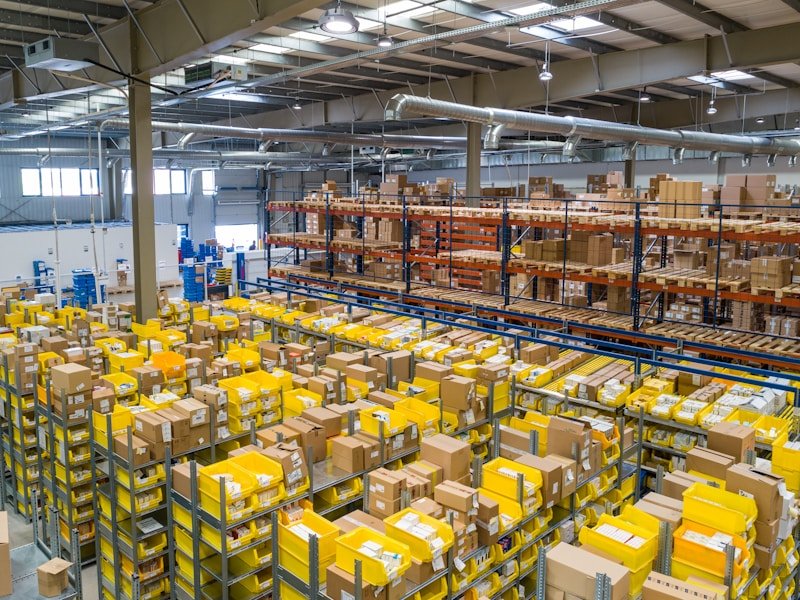
Moving production to Korea is possible, but it is rarely a direct factory replacement. A Korean manufacturer may need to redevelop the formula with different raw materials and processes, validate the existing packaging and review the commercial structure for the new production environment.
Why Are Beauty Brands Moving Manufacturing to Korea?
For many global consumers, Made in Korea is closely associated with K-beauty expertise, sophisticated textures and fast product innovation. Moving production can therefore align a brand’s Korean-inspired positioning with its actual manufacturing origin.
But the country-of-origin label alone does not create a stronger product. The transition works best when Korean manufacturing delivers a benefit customers can understand, such as a better texture, improved performance, a distinctive format or more reliable product development.
What Changes When Cosmetic Production Moves to Korea?
| Project area | What the brand should expect |
|---|---|
| Formula | The existing product can be benchmarked, but exact replication is not guaranteed. |
| Performance | Texture, absorption, fragrance and finish can be matched as closely as possible or intentionally improved. |
| Packaging | Existing components must pass filling-line and formula compatibility checks. |
| Cost | Korean pricing must be recalculated based on the new formula, packaging, quantity and testing. |
| Compliance | The new formula and supporting documents must be reviewed for each target market. |
| Timeline | Sampling, compatibility testing, packaging preparation and production require a new schedule. |
Can a Korean Manufacturer Replicate an Existing Formula?
A Korean manufacturer can use the current product as a benchmark, but an ingredient list alone is not enough to reproduce it exactly. An INCI list does not reveal exact percentages, raw-material grades, suppliers, processing temperatures, mixing order or proprietary blends.
The brand should instead define the product characteristics that customers already value and that must be preserved:
- Texture and viscosity
- Absorption and skin finish
- Fragrance and color
- Application experience
- Core product performance
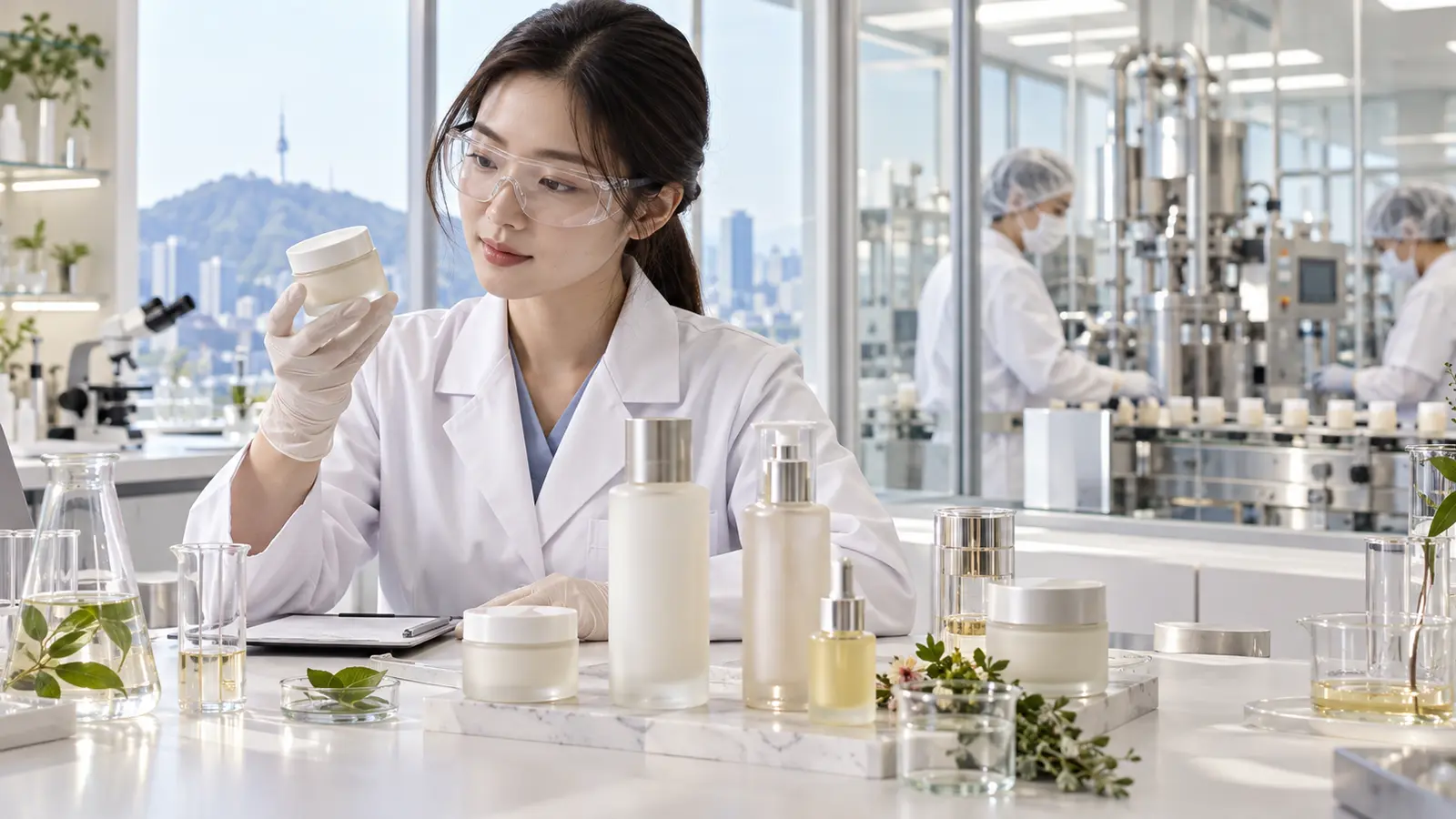
The Korean R&D team can then develop samples against these specific benchmarks. The result may be a close Korean-made alternative or an improved version rather than an identical copy.
Should the Brand Replicate or Improve the Product?
If the current product has strong reviews and repeat customers, preserving its familiar experience may be the priority. If customers consistently mention issues such as slow absorption, an outdated texture or inconvenient packaging, the move can become a controlled product-upgrade opportunity.
Changes should solve a customer or commercial problem. Adding popular Korean ingredients without a clear reason can increase cost and development work without making the product more valuable.
Can Existing Packaging Be Used in Korea?
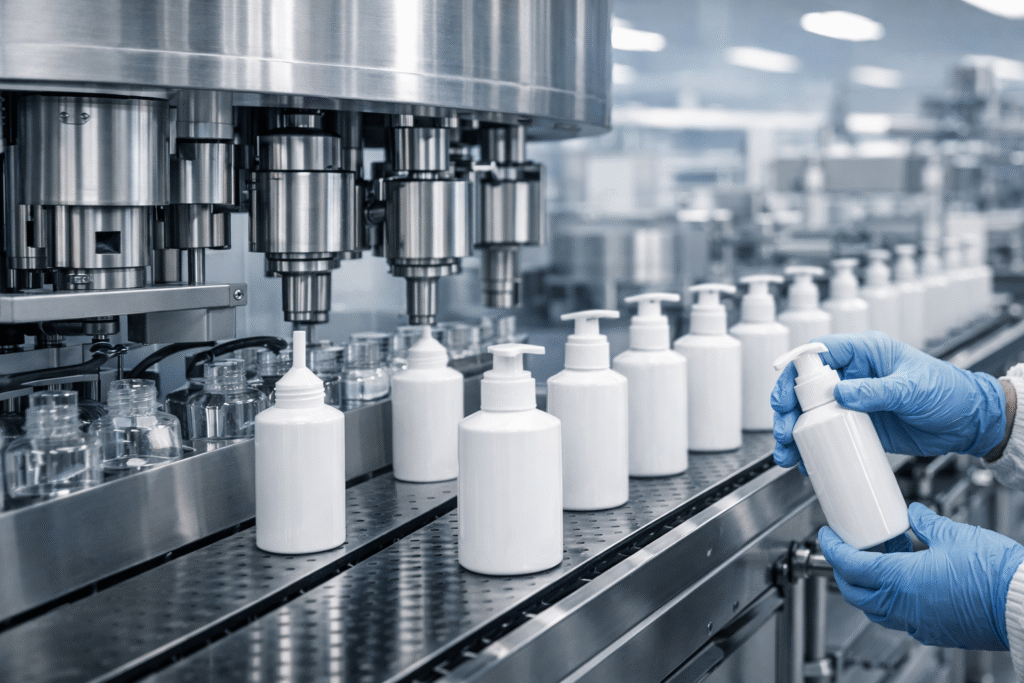
Existing packaging from your current supplier can be supplied to a Korean manufacturer, but it must first be validated for Korean production. The component must fit the manufacturer’s filling equipment and pass compatibility testing with the formula developed in Korea.
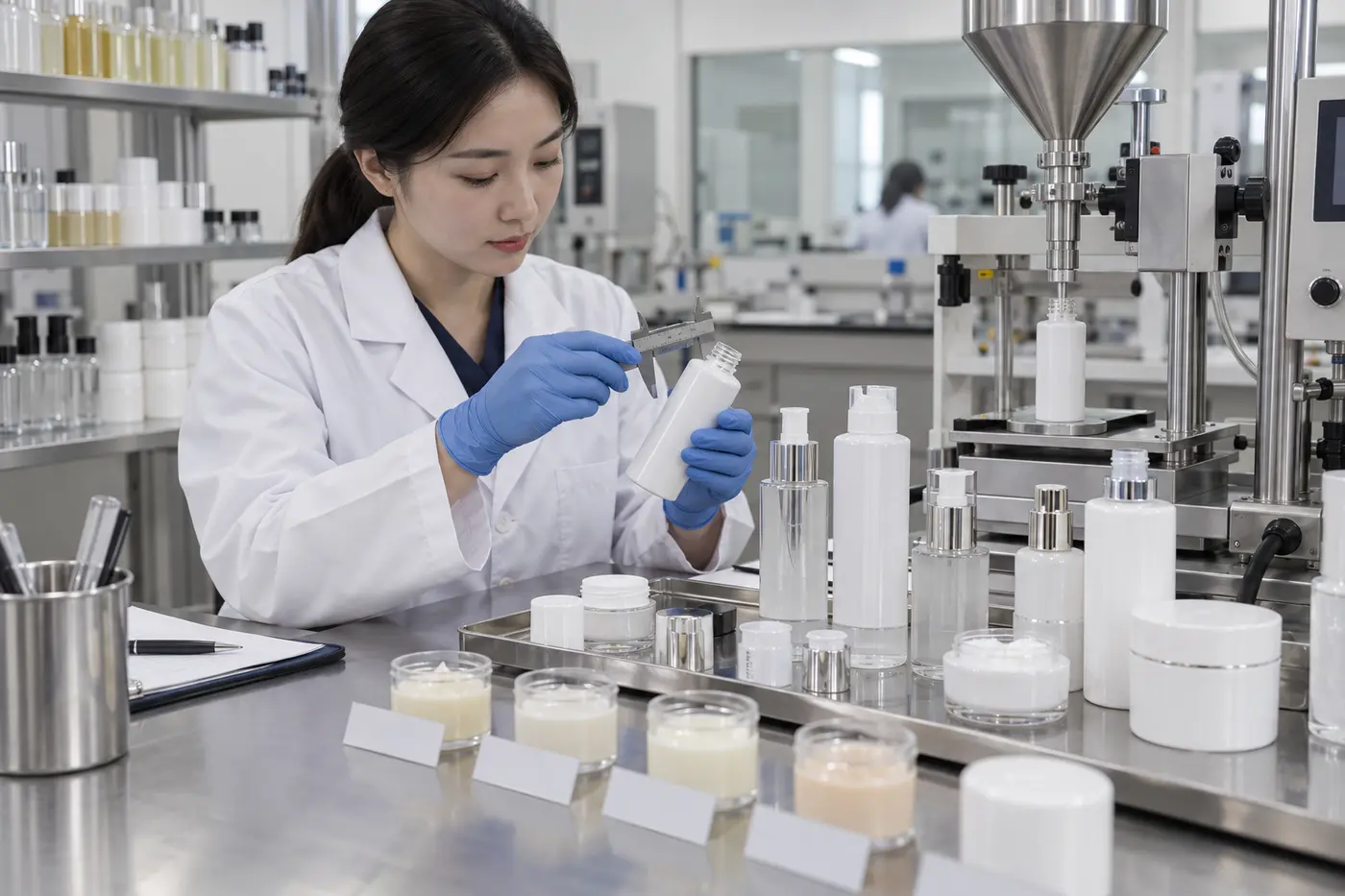
If the packaging fails the equipment or compatibility assessment, the brand may need to produce the same or a closely comparable specification through a Korean packaging supplier.
What Information Should the Brand Prepare?
A manufacturer cannot assess a transition accurately from the product category and ingredient list alone. The initial brief should include:
- Physical samples of the current product
- Full ingredient list and any formula documentation owned by the brand
- Packaging specifications
- Current production quantity and expected annual volume
- Target unit cost and retail price
- Main sales markets and required claims
- Features that must remain unchanged
- Known customer complaints and desired improvements
- Target launch date
Brands should also confirm formula ownership, exclusivity and the documents available from both the current and future manufacturers.
What Are the Main Risks of Switching Manufacturing Countries?
- Expecting an exact formula copy from the INCI list
- Assuming Korean production will match the current unit cost
- Committing to packaging before compatibility is confirmed
- Moving too many products simultaneously
- Failing to clarify formula ownership and exclusivity
- Announcing the transition before development and production are feasible
Order quantity also affects which Korean manufacturers and development routes are realistic. For a separate explanation, read our guide to Korean skincare manufacturing MOQs and our breakdown of the cost of manufacturing skincare in Korea.
A Practical Manufacturing Transition Process
1. Define the business reason
Clarify whether the priority is innovation, product quality, Korean positioning, communication or production reliability.
2. Audit the existing product
Separate the features customers value from the areas the brand wants to improve.
3. Build a Korean development brief
Document the required performance, formula direction, packaging, quantity, target market, price and timeline.
4. Select the development route
Decide whether the project should use an existing Korean formula, an adjusted base formula or more extensive development based on the current product.
5. Compare physical samples
Evaluate Korean samples against defined criteria rather than general impressions.
6. Confirm the commercial structure
Before production, confirm packaging, testing, final cost, documentation, formula rights and timeline. Moving one priority SKU first is usually less risky than transferring an entire range.
Which Brands Are Best Suited to This Transition?
- Korean-inspired brands currently manufacturing elsewhere
- Established brands seeking Korean product innovation
- Brands dissatisfied with current quality or production communication
- Companies expanding into product categories where Korea offers strong technical capability
- Brands with sufficient volume and margin to support professional redevelopment
The transition is less suitable when the only objective is to find a lower factory price.
How K-Beauty Bridge Supports Manufacturing Transitions
K-Beauty Bridge is a Korea-based product development and manufacturing partner for overseas beauty brands. We help determine whether an existing product should be replicated, improved or redeveloped and manage the Korean process around the brand’s commercial objectives.
- Existing product and manufacturing assessment
- Korean development strategy and product brief
- Manufacturing partner evaluation
- Sample development and comparison
- Packaging feasibility
- Quotation and production-condition review
- Local communication and production management
Frequently Asked Questions
Can I move cosmetic manufacturing to Korea from another country?
Yes. The project must be treated as a new technical and commercial assessment because the Korean manufacturer may use different raw materials, processes, packaging and production conditions.
Can a Korean manufacturer make the same cosmetic formula?
It may be possible to develop a close alternative, but exact replication depends on the formula documentation, raw materials and manufacturing process available.
Can I use packaging supplied by my current manufacturer?
Potentially. The packaging must be compatible with the Korean factory’s filling equipment and pass compatibility testing with the formula before production.
Should I move my entire product range at once?
For most brands, beginning with one strategically important product reduces development, packaging and inventory risk.
Who can manage the transition locally in Korea?
A Korea-based product development and manufacturing partner can coordinate the manufacturer, R&D process, packaging, samples and production for an overseas brand.
Considering Moving Your Beauty Manufacturing to Korea?
Share your current product, target market, expected quantity, performance requirements and reason for considering Korean production. K-Beauty Bridge will assess whether the product can be realistically replicated, improved or redeveloped in South Korea.
About the author: Anna Kim is the founder of K-Beauty Bridge, a Korea-based product development and manufacturing partner supporting overseas beauty brands with Korean cosmetic development and production.